
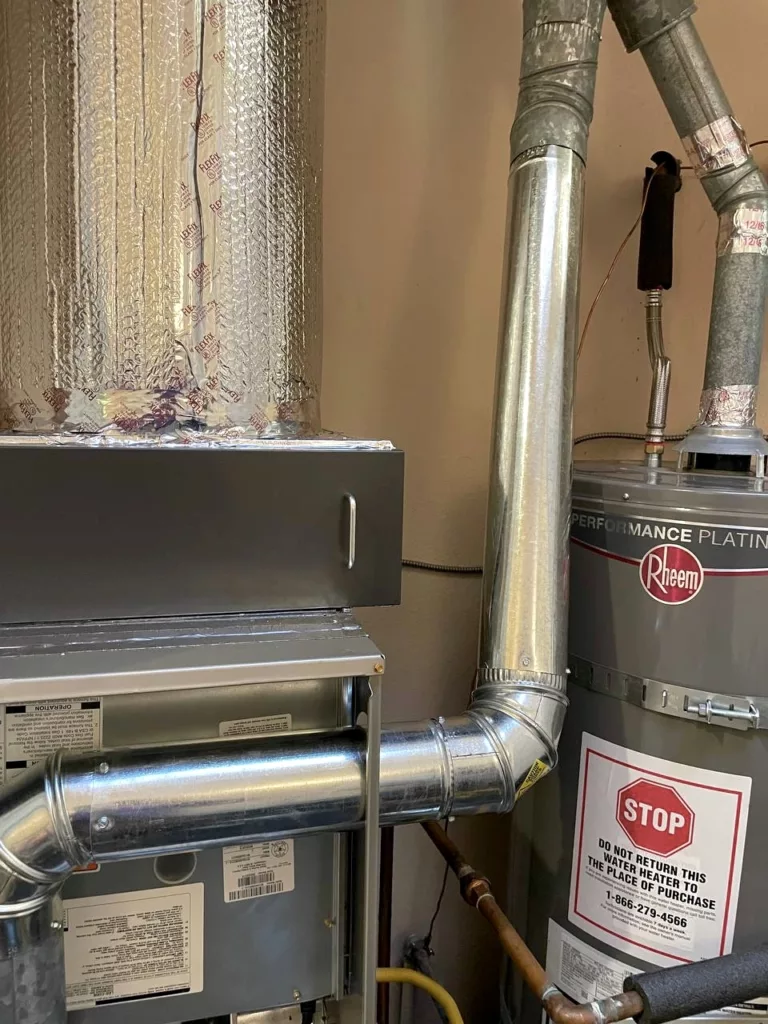
Installing a Bryant furnace correctly is what determines how safely and efficiently it will run for years afterward. This guide walks through the general steps a professional HVAC technician follows during a furnace installation in San Jose, CA, from the initial sizing of the unit all the way to the final inspection.
Each step matters, because a furnace that is well matched to the home and properly connected will heat more evenly, run more efficiently, and last longer than one that is rushed into place.
Ready for reliable comfort?
Book your San Mateo County HVAC service today - fast, honest, guaranteed.
Steps in a professional Bryant furnace installation
- Load calculation: the technician sizes the furnace to the home, accounting for square footage, insulation, climate, and the number of occupants.
- Location selection: the furnace site is chosen to meet local codes and to leave room for safe maintenance access later on.
- Site preparation: any existing equipment is removed and the area is cleaned, with proper ventilation confirmed before work continues.
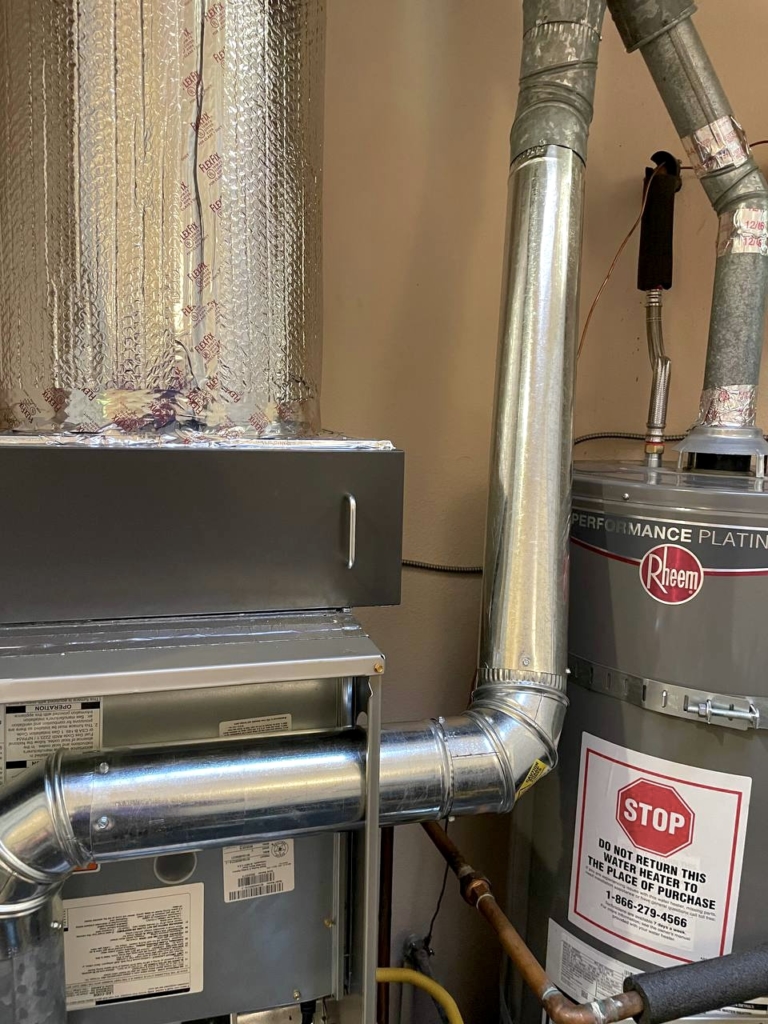
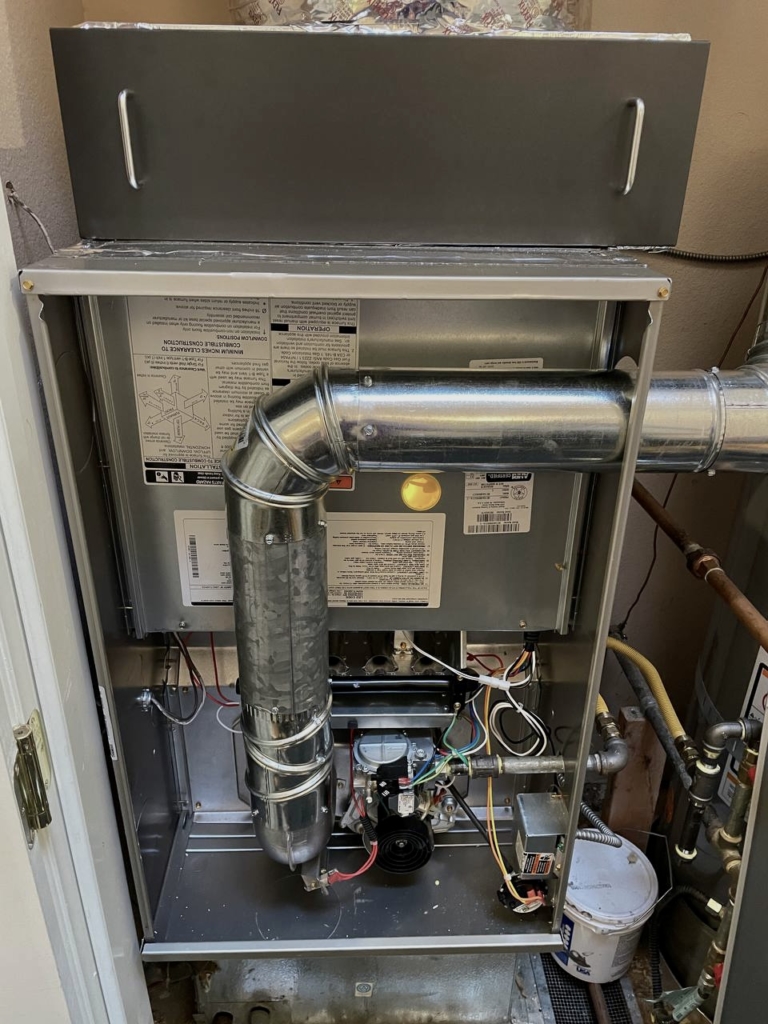
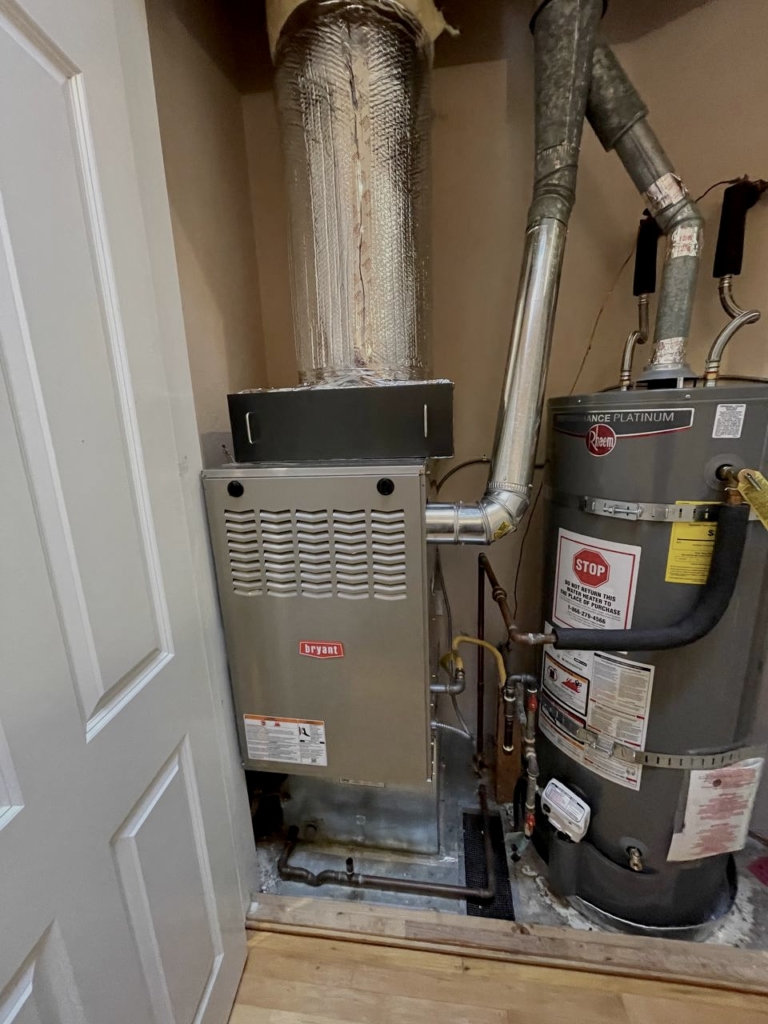
- Furnace installation: the unit is mounted securely and connected to the ductwork, the fuel supply, and the electrical system.
- Thermostat and controls: the thermostat and controls are wired and calibrated for correct, reliable operation.
- Testing: the furnace is checked for safe, efficient operation, including airflow, leak checks, and proper functioning of the thermostat and controls.
- Permits and inspections: the required permits are completed and the work is inspected to local building codes.
After the installation
Once the furnace is up and running, scheduling regular maintenance and cleaning helps extend its lifespan and keep it operating efficiently season after season. Nur HVAC follows this same careful, code-compliant process on every furnace installation, so the finished system heats the home safely and reliably from the very first day it is turned on.
Planning a new furnace?
If your heater is due for replacement, our furnace installation service covers everything above, from sizing to final inspection.
Questions about your HVAC?
Talk to a real San Mateo County technician - free estimates, honest advice, no pressure.
Reviews
Trusted by your neighbors

“We wanted to install an AC in our condo and replace the old gas furnace. We are happy that we had business with Nur HVAC. Their estimator was a professional who explained us all the options including the least expensive ones. Their quotes and estimates looked honest and fair, their pricing was way better than the competitors (almost twice less the amount than some other greedy dealers). We decided to proceed and made an appointment for the installation. The equipment installed is modern and quiet. The consumables used were all high quality and brand new. The guys were professional, on time, diligent and not cutting corners during the installation process. All conduits look neat and nice. Everything looks great. They left the place tidy and clean. After we used the system for a couple of days we realized that some custom tuning might be necessary for our apartment, to which Nur HVAC quickly made a new appointment and fixed all the issues for free. Nur HVAC are reliable, responsible and dependable. I highly recommend them to everyone who needs HVAC services in Bay Area. P.S. We got a few quotes from other companies too. They were sending us basically a sales person who would be just trying to figure out how much we could afford to pay. So I ended up with a few obviously unfair quotes which I didn't want to proceed with. Also the sales people were not always nice. Once they find out your budget is tight, they kinda lose interest in you. Reluctantly talking and just leaving as soon as they can.”

“Michael Potapov from Nur HVAC was courteous/polite and most most importantly knew what he was doing. Good work: Satisfied with the work.”
“My AC unit stopped working 2 months ago and I called several service companies for a quote. Nur offered a free appraisal and quote. I decided to go ahead with him and he was extremely professional, thorough and knowledgeable. He arrived exactly on time, wore mask and booties inside the house, showed me all the readings to educate me on where the problem was and fixed the issue within the time he estimated. Yesterday, during a record breaking heat wave, it felt like my AC unit stopped working again. I called Nur and he came down to inspect the unit, and showed me where PG&E had turned off my AC unit remotely. And he didn't charge me for the visit since there wasn't any problem. 10/10 would recommend , and will only use him for all my AC needs from here onwards.”

“I highly value honest person and David is very honest and reliable. I wanted to install a home electric charger with very minimum knowledge and some peoples may over charge or push me to do extra works. But David told me what I need and finished work quick and clean. I highly recommend him for any electric work.”
Google Reviews
What our customers say on Google

“We are so glad that we made the right choice for working with Nur HVAC on adding heat pump AC with our existing furnace. The sales representative Ilias was very prompt in responding all our questions and offered a very reasonable price. Fedor and Shalai, the installation team, installed all the new facilities PERFECTLY. They really know their job - all their tasks were super organized and clean - they even cleaned all working spaces every day before they left! (Big Kudos!!) In addition to the quality installation, they also explained how the system works clearly and patiently. We are waiting for inspection now but we believe it will pass thanks to the great work. Thanks team!”

“Team Elias, Eldar, and Konstantin did an excellent job installing a dual-fuel HVAC system at my place. They are knowledgeable, easy to communicate with, and genuinely care about the quality of their work. I'm so glad I made the right choice in hiring them.”

“Showed up on busy hot day, climbed in attic and fixed the a/c for what I thought was a very fair price. Thank you Nur HVAC!!”

“With the heat wave going on and all of a sudden my AC system failing, I couldn’t find anyone to come immediately except Nur HVAC which fit me in and sent Michael over within a few hours to check and repair my system. Michael found a number of issues that he fixed and also made suggestions for future maintenance. I really appreciated the good work and happy to have my AC working quickly again.”

“I’m a property manager for several rentals here in the California area and I have to say I’ve always been extremely satisfied with all of the HVAC technicians that have come out to help us with our residence. Each technician has been helpful, professional, punctual, repaired issues efficiently and have never overcharged us for any labor parts or services. We will continue to have them as our list of contractors. Thank you to Islam and David for your continued service.”

“Our air conditioner started making strange noises. But cane out to look at the condenser unit. It turns out that someone had left a garbage bag in top that got sucked in and wrapped around the fan. They did not charge is anything. This is the third time we have used Nir for heating or air conditioning. They have been prompt, efficient, reasonably priced and courteous. I highly recommend them.”

“Nur HVAC are real professionals and get the job done. I had a last-minute call to them, and they were able to accommodate me for next day, and the tech Islam worked really hard, kept updated on every step and possible fall outs in future due to the unit being old. Overall, they were really professional, quick and would recommend for sure.”

“Excellent hvac installers. Reasonably priced, extremely clean work. Installers were: Eldar and Maxim. Very efficient, detail oriented. Very respectful. Consult: Elias. Very responsive and knowledgeable. Nur is a diamond certified Mitsubishi installer. And the work quality shows.”
More from our blog

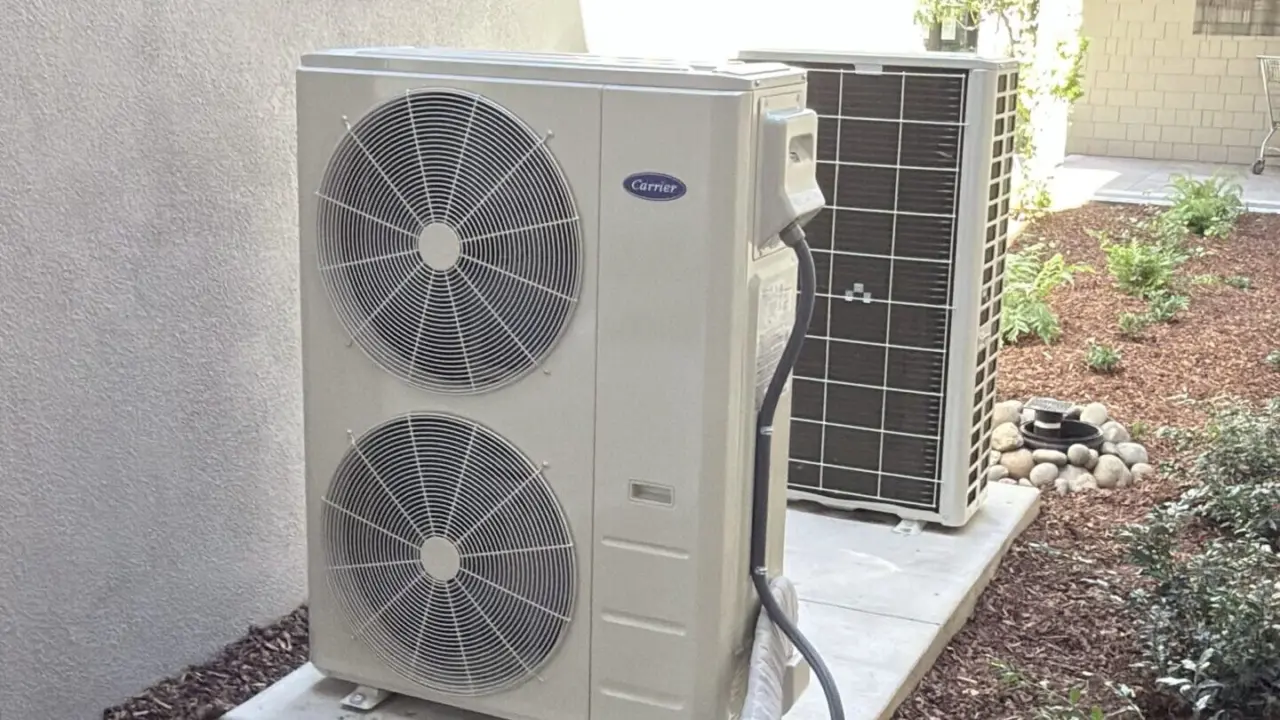
Carrier Heat Pump Installation in Menlo Park, CA
A Menlo Park homeowner was ready to replace a tired, gas-dependent setup, and we handled the complete heat pump installation - swa

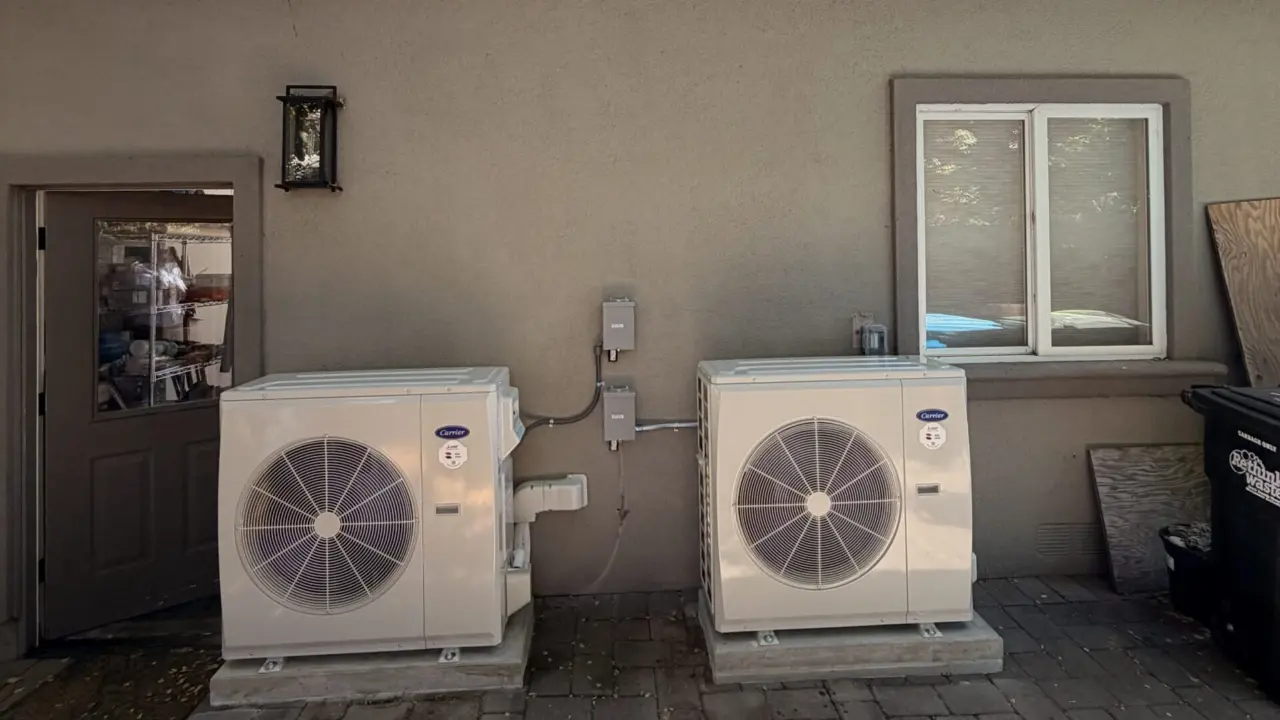
Carrier 3 Ton Heat Pump Installation in Emerald Hills, CA
Trading an older setup for a modern all-electric system, this heat pump installation in Emerald Hills gave the home a Carrier 3-to

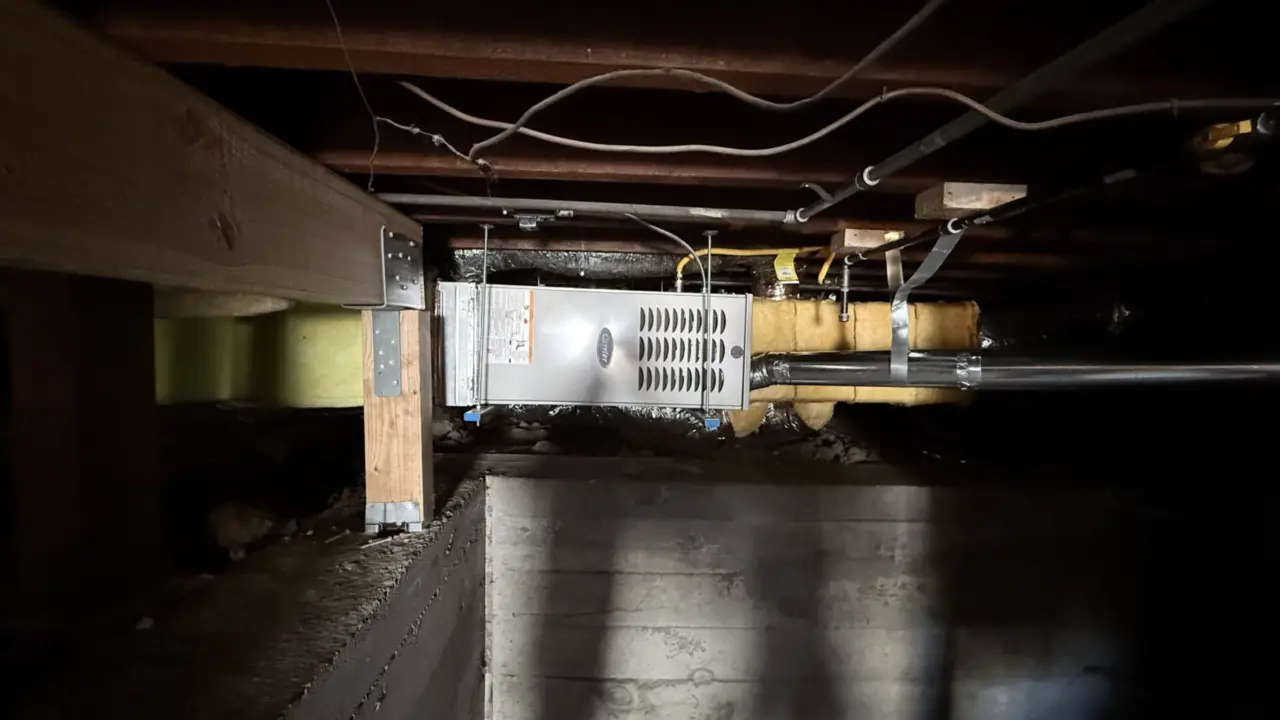
Carrier Furnace Installation in San Mateo
A full HVAC overhaul in San Mateo: a new Carrier furnace downstairs, a Mitsubishi two-zone heat pump upstairs, and all-new ductwor
Need this done at your home?
Our certified San Mateo County technicians are ready. Book online in under a minute or give us a call.